
Posted on Leave a comment

How to Start Beekeeping: A Beginner’s Guide to Raising Honey Bees 2025

Illustration of modern beekeeping techniques with a beekeeper wearing a white suit, smart hive monitoring tools, and healthy bees flying around a wooden hive in a sunny apiary.

Beekeeping is more than a hobby — it’s a rewarding journey that helps sustain local ecosystems, support pollination, and even provide sweet rewards like honey and beeswax. If you’ve ever wondered how to start beekeeping, you’re not alone. With growing interest in sustainable living and backyard farming, beekeeping has become an increasingly popular pastime across the U.S.This beginner-friendly guide walks you through the essentials, so you can get started with clarity and confidence — whether you live in the countryside or a suburban neighborhood.

Why Start Beekeeping?

Aside from producing honey, beekeeping supports environmental health by boosting pollination for nearby plants and crops. Bees play a vital role in the food chain, and by keeping them, you become part of a global effort to preserve these essential pollinators.

Top Benefits of Beekeeping:
  • Fresh, local honey
  • Beeswax for DIY products
  • Increased garden productivity
  • Educational value for families
  • Support for global bee populations

What You Need to Start Beekeeping

Getting started doesn’t require a farm or a large plot of land — just the right tools, commitment, and understanding of bee behavior. Here are the essentials you’ll need:

1. A Beehive

Start with a Langstroth hive, which is the most common type for beginners. It includes removable frames, which makes inspections and honey harvesting easier.

2. Bee Colonies

Purchase bees from a trusted apiary or local beekeeper. Most beginners start with a “nuc” (nucleus colony) that includes a queen, worker bees, and brood.

3. Protective Clothing

A well-fitted beekeeping suit is essential for safety. Look for breathable, full-body coverage with a veil to protect your face. Whether you’re checking your hive or harvesting honey, a durable cotton or cotton-blend suit will protect you from stings and make the experience more enjoyable.

Product suggestion: Consider a lightweight cotton-blend beekeeping suit with a fence-style veil, available in multiple sizes and colors for adults and children. It ensures comfort, breathability, and mobility for new and experienced beekeepers alike.

4. Beekeeping Tools
  • Hive tool (to lift and pry open frames)
  • Smoker (to calm bees during inspections)
  • Bee brush (to gently remove bees from surfaces)
5. A Good Location

Place your hive in a sunny spot with wind protection and a nearby water source. Ensure it’s away from high-traffic areas and complies with local beekeeping regulations.

Seasonal Beekeeping Tasks

Each season brings new responsibilities in your beekeeping journey:

  • Spring: Install new colonies, monitor hive health, and prevent swarming.
  • Summer: Harvest honey, manage pests, and ensure adequate ventilation.
  • Fall: Prepare hives for winter by reducing entrances and checking food stores.
  • Winter: Minimize disturbance and insulate if needed for colder regions.

Beginner Beekeeping Tips

  • Stay calm around bees: Bees are sensitive to movement and smell. Wear neutral-colored clothing and avoid perfumes.
  • Learn continuously: Join a local beekeeping club or follow trusted online forums.
  • Keep records: Track hive inspections, honey yields, and health conditions.
  • Be patient: Bees are resilient, but it may take a full season before you harvest honey.

Final Thoughts

Starting beekeeping may seem overwhelming at first, but with the right preparation and tools, it can become one of the most fulfilling hobbies you’ll ever take on. It teaches responsibility, supports sustainability, and connects you to nature in a unique and powerful way.

Whether you’re starting small in your backyard or planning to grow multiple hives, having the proper protective gear — like a breathable, durable beekeeping suit — will make your experience smoother and safer.

Ready to start your beekeeping journey? Equip yourself with the essentials and step into the fascinating world of bees with confidence. Visit Jawadis.us to find beekeeping suits and supplies tailored for beginners and professionals alike.

Posted on Leave a comment

Understanding Beekeeper Suits: Protection and Style for All Ages
green grass field with white flowers

What is a Beekeeper Suit Called?

When delving into the world of beekeeping, one question that frequently arises is, “What is a beekeeper suit called?” The answer is straightforward: the attire beekeepers wear is known as a bee suit or a beekeeping suit. A full bee suit typically consists of long sleeves and long pants designed to protect the beekeeper from stings. Additionally, many bee suits come equipped with a hat and veil for comprehensive protection.

Features of a Quality Beekeeping Suit

Investing in a high-quality beekeeping suit is essential for safety and comfort. At Jawadis USA, our bee suits are available in both cotton and cotton-blend materials, providing durability and breathability. We offer a variety of colors to suit personal preferences and make beekeeping a more enjoyable experience. Our suits also come with either a fence-style veil or a sheriff-style veil, ensuring that you have the best protection suited to your needs.

Beekeeping Suits for Adults and Children

Beekeeping is a rewarding hobby that can be enjoyed by people of all ages. That’s why at Jawadis USA, we offer beekeeping suits for both adults and children. Protecting your family while engaging in this fascinating activity is a priority. Our suits are designed to provide optimal protection without compromising on comfort, ensuring that both novice and experienced beekeepers can work safely and efficiently.

Best Practices for Beekeepers

In addition to wearing a reliable beekeeping suit, beekeepers should follow several best practices to ensure their safety and the well-being of their bees. Always inspect your suit for any holes or damage before use to prevent any unwanted stings. Pair your suit with gloves and boots for additional protection. Finally, approach your hives calmly and methodically to minimize the risk of disturbing the bees.

Whether you are new to beekeeping or an experienced apiarist, having the right gear is crucial. Visit Jawadis USA to explore our range of high-quality beekeeper suits and find the perfect fit for you and your family. Stay protected, stay stylish, and enjoy the incredible world of beekeeping.

Posted on Leave a comment

What is the Best Material for a Bee Suit? A Comprehensive Guide for Beekeepers

Understanding the Importance of Quality Material in Bee Suits

When it comes to beekeeping, safety is paramount. The material of a bee suit is not just a matter of comfort but also a critical component in ensuring the beekeeper’s protection. The best materials for bee suits, particularly woven cotton and cotton blend fabrics, are selected for their unique properties that meet these essential safety needs.

One of the primary attributes of a high-quality bee suit material is its thickness. Woven cotton and cotton blends are renowned for their dense weave, which provides an effective barrier against bee stings. This thickness prevents bee stingers from penetrating the suit, thus safeguarding the beekeeper. However, protection is not the only consideration; comfort and breathability are equally important, especially during extended periods of work. Cotton and its blends excel in this area, offering excellent breathability that helps keep the beekeeper cool and comfortable, even in warm conditions.

Durability is another crucial factor, particularly for beekeepers who spend long hours managing their hives. Bee suits made from cotton and cotton blends are known for their robust nature, which ensures they can withstand the rigors of regular use. This durability is essential not only for adult beekeepers but also for children, who require suits that can endure the same level of protection and comfort. Ensuring the suit lasts through multiple seasons of beekeeping activities is vital for both safety and cost-effectiveness.

In addition to these functional benefits, it is also worth noting that reputable brands, such as Jawadi USA, offer high-quality bee suits made from these ideal materials. While the focus should always remain on the material’s attributes—protection, comfort, breathability, and durability—choosing a trusted brand can provide additional assurance of quality and reliability.

Best Practices for Choosing and Maintaining Your Bee Suit

Choosing the right bee suit is essential for ensuring the safety and comfort of beekeepers, whether they are seasoned professionals or beginners. When selecting a bee suit, it is crucial to consider the fit, design features, and additional protective elements. A well-fitted suit not only maximizes protection but also enhances mobility, making beekeeping tasks more efficient. For adults and children alike, ensure that the suit provides adequate coverage without being too tight or too loose. Elastic cuffs and adjustable waistbands are beneficial features that can help achieve a snug fit, reducing the risk of bees entering the suit.

The design of the bee suit should include features such as reinforced knee pads, multiple pockets, and a sturdy, easy-to-use zipper. A detachable veil is also advantageous as it allows for greater flexibility and ease of cleaning. Ventilated suits are particularly useful in warmer climates, as they prevent overheating while maintaining protection against stings. Additionally, suits made from lightweight, durable materials, such as cotton or polycotton blends, offer a good balance of comfort and durability.

Maintaining your bee suit is just as important as choosing the right one. Regular cleaning helps to preserve the suit’s protective qualities and extend its lifespan. It is recommended to wash the suit in cold water with a mild detergent and to avoid using bleach or harsh chemicals that can degrade the fabric. Proper storage is also vital; hanging the suit in a cool, dry place prevents mildew and fabric deterioration. Inspect the suit frequently for signs of wear and tear, such as frayed seams or holes, and repair any damages promptly to ensure continued protection.

Investing in a high-quality bee suit from trusted suppliers, such as Jawadi USA, can make a significant difference in the overall beekeeping experience. These suits are designed with the beekeeper’s needs in mind, combining durability, comfort, and effective protection. By following these best practices for choosing and maintaining your bee suit, beekeepers can focus on their activities with confidence, knowing they are well-protected and comfortable.

Posted on Leave a comment

Understanding Colony Collapse Disorder (CCD) and Supporting Bee Health

Introduction to Colony Collapse Disorder (CCD)

Colony Collapse Disorder (CCD) represents a major threat to bee populations worldwide, characterized by the sudden and unexplained disappearance of worker bees. This phenomenon leaves behind the queen and immature bees, disrupting the colony’s function and survival. First identified in 2006, CCD has since garnered significant attention due to its potential impact on both the ecosystem and agriculture.

The symptoms of CCD are distinctive: beekeepers often find hives that appear nearly empty, with no indication of dead bees nearby. The remaining queen and young bees are left unable to sustain the hive, leading to its eventual collapse. This abrupt disappearance of worker bees is alarming, as these bees play a crucial role in foraging and maintaining hive health.

Bees are indispensable to the ecosystem, primarily due to their role in pollination. They contribute to the reproduction of numerous plant species by transferring pollen from one flower to another, facilitating the production of seeds and fruit. This process is vital not only for wild flora but also for agricultural crops. In fact, about one-third of the food we consume relies on pollination by bees and other insects. The decline in bee populations, therefore, poses a severe risk to food security and biodiversity.

The significance of CCD extends beyond beekeeping communities, affecting global agriculture and ecosystems. As pollinators, bees support the growth of many crops, including fruits, vegetables, nuts, and seeds. A reduction in bee populations can lead to decreased crop yields, higher food prices, and reduced availability of certain foods. Additionally, the loss of bees can disrupt natural habitats, affecting other wildlife that depends on the plants bees pollinate.

Understanding and addressing Colony Collapse Disorder is crucial for sustaining bee populations and ensuring the health of our ecosystems and food systems. By recognizing the symptoms and consequences of CCD, we can take informed steps to mitigate its effects and support bee health.

Potential Causes of CCD

Colony Collapse Disorder (CCD) is a complex phenomenon with multiple potential causes, each contributing to the decline of bee populations in different ways. One of the primary suspects in the onset of CCD is pesticide exposure. Neonicotinoids, a class of pesticides, have been particularly scrutinized. Research has indicated that these chemicals can impair foraging behavior, disrupt navigation, and weaken immune systems in bees, making them more susceptible to diseases.

In addition to pesticide exposure, habitat loss is another significant factor. Urbanization, intensive agriculture, and land-use changes have led to the destruction of natural habitats, reducing the availability of forage and nesting sites for bees. This loss of biodiversity not only limits food sources but also affects the overall resilience of bee colonies.

Climate change is also playing a pivotal role in CCD. Altered weather patterns, temperature fluctuations, and changes in the timing of flowering plants can disrupt the synchrony between bees and their food sources. These shifts can lead to nutritional stress, which in turn impacts bee health and colony stability.

Pathogens and parasites, such as the Varroa mite, are critical contributors to CCD. The Varroa mite, in particular, is a devastating parasite that feeds on the blood of bees and transmits viruses. Infested colonies often exhibit signs of weakened immunity and increased susceptibility to infections. Recent studies highlight how the combination of Varroa mite infestation and viral loads can significantly elevate the risk of colony collapse.

It is widely accepted among experts that CCD is not caused by a single factor but rather a synergy of these stressors. For instance, pesticide exposure may weaken bees, making them more vulnerable to pathogens and parasites. Similarly, environmental stressors like habitat loss and climate change can exacerbate the impacts of chemical exposure and parasitic infections. Ongoing research continues to explore these interactions to develop effective strategies for mitigating CCD and supporting bee health.

Preventative Measures and Solutions for Beekeepers

Maintaining the health of bee colonies is paramount for beekeepers aiming to mitigate the risk of Colony Collapse Disorder (CCD). A multifaceted approach is essential to ensure that hives remain thriving and resilient. One of the primary strategies involves maintaining optimal hive conditions. This includes ensuring proper ventilation, providing adequate space, and ensuring that bees have access to clean water and diverse floral resources. Regular hive inspections are critical to monitor for signs of disease, pests, and other stressors that could compromise bee health.

Integrated Pest Management (IPM) practices are also a cornerstone of maintaining healthy hives. IPM involves a combination of biological, physical, and chemical methods to control pests with minimal impact on the environment and non-target species like bees. For instance, the use of screened bottom boards can help reduce Varroa mite populations, while introducing beneficial insects can naturally control pest populations. Beekeepers should emphasize the use of organic treatments and avoid synthetic pesticides that could harm bees and their environment.

Another key aspect is the use of high-quality beekeeping suits. These suits provide essential protection against stings, allowing beekeepers to work safely and effectively. Investing in well-made suits for both adults and children can enhance the beekeeping experience and promote best practices in hive management. Proper attire is not just about safety; it also facilitates more thorough inspections and interventions, further contributing to hive health.

Beyond individual hive management, broader environmental practices also play a crucial role in supporting bee health. Organic farming and reduced pesticide use are vital components of creating a bee-friendly environment. By reducing the reliance on harmful chemicals, beekeepers and farmers alike can foster habitats that support not only bees but other pollinators and beneficial insects. Planting diverse, native plants can provide continuous forage throughout the season, ensuring that bees have access to the nutrition they need to thrive.

Incorporating these preventative measures and solutions can significantly reduce the risks associated with CCD, supporting the sustainability and productivity of bee colonies. Through diligent hive management, adoption of IPM practices, and commitment to organic and pesticide-free farming, beekeepers can play a pivotal role in safeguarding bee populations and promoting a healthier ecosystem.

Supporting the Beekeeping Community

Addressing Colony Collapse Disorder (CCD) effectively requires a collective effort within the beekeeping community. Education and community support play pivotal roles in this endeavor. By sharing best practices and participating in local beekeeping associations, beekeepers can stay informed about the latest research, trends, and practical solutions to mitigate CCD.

One of the essential ways to foster collaboration is through engagement in local beekeeping associations. These groups provide a platform for beekeepers to exchange knowledge, discuss challenges, and develop strategies collectively. Many associations host workshops, seminars, and field days that focus on sustainable beekeeping practices, pest management, and habitat conservation, all of which are critical in combating CCD.

Public awareness campaigns are another important aspect of supporting bee health. Beekeepers can play a significant role in educating the public about the importance of bees and the threats they face. By participating in community events, giving talks, or using social media platforms, beekeepers can raise awareness and advocate for policies that protect pollinator habitats and promote sustainable agricultural practices.

Several resources and organizations offer valuable support and information for beekeepers. The American Beekeeping Federation and the Bee Informed Partnership provide a wealth of data, research, and best practices to enhance beekeeping operations. Additionally, universities with entomology departments often conduct research and extension services that benefit the beekeeping community. Access to these resources can be crucial for staying updated on the latest advancements and recommendations in beekeeping.

Furthermore, investing in proper beekeeping equipment, such as beekeeping suits, is vital for both safety and productivity. A well-made beekeeping suit not only protects beekeepers from stings but also allows for more efficient hive management. This investment is particularly important for new beekeepers who are still developing their skills and confidence in handling bees.

In conclusion, through education, community support, advocacy, and the right resources, the beekeeping community can work together to address the challenges posed by Colony Collapse Disorder and support the health and sustainability of bee populations.

Posted on Leave a comment

The Importance of Beekeeping Education: Empowering Future Apiarists
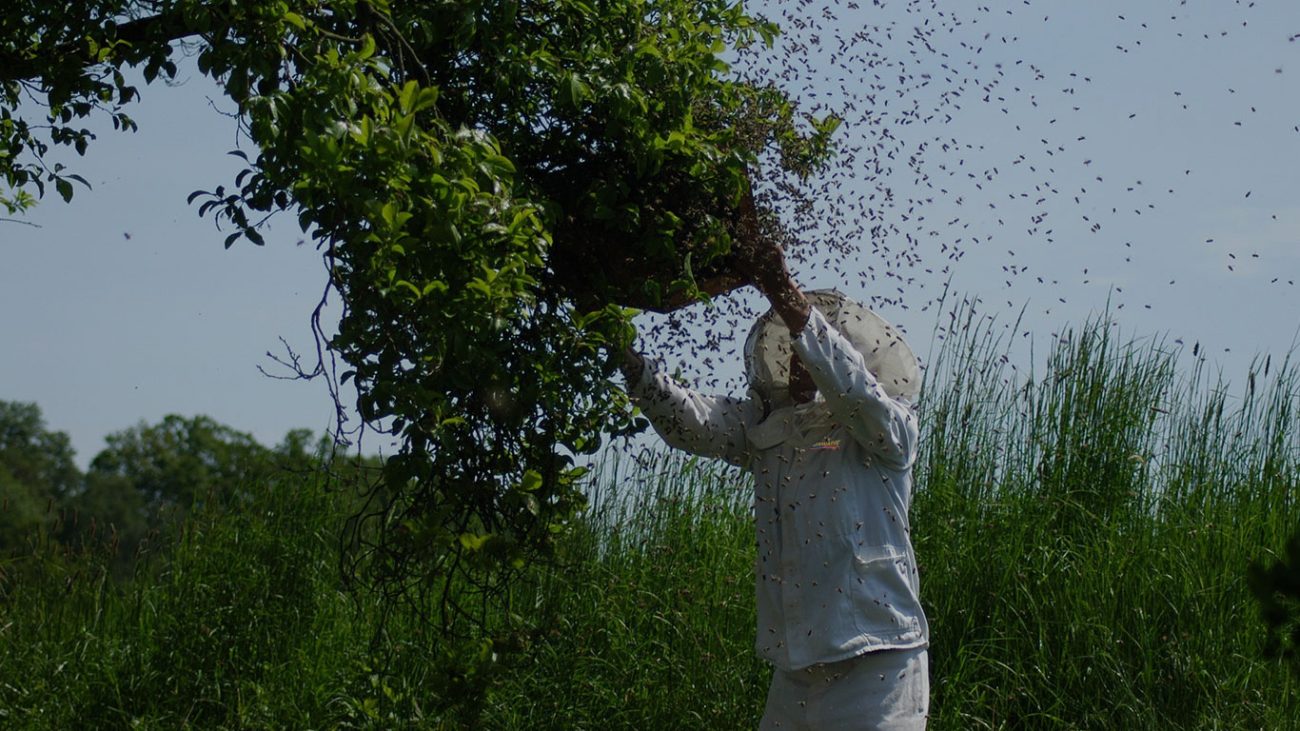
As the fascination with beekeeping continues to grow, so does the need for education in this vital field. Understanding the intricate world of bees not only enriches our lives but also plays a crucial role in preserving our ecosystem. In this blog post, we delve into the significance of beekeeping education and how it empowers individuals, both young and old, to become stewards of our buzzing friends. Plus, discover how our range of beekeeping jackets, available in sizes for adults and children in various colors, ensures that everyone can participate in this educational journey.

Why Beekeeping Education Matters

Beekeeping education serves as the foundation for successful apiarists. By learning about bee behavior, hive management techniques, and the importance of pollinators, individuals gain a deeper appreciation for the role bees play in our environment. Moreover, education equips aspiring beekeepers with the knowledge and skills needed to care for their colonies responsibly, ensuring the well-being of both bees and beekeepers alike.

Empowering the Next Generation

Introducing children to beekeeping at a young age not only fosters a love for nature but also instills valuable lessons about responsibility and environmental stewardship. Our range of beekeeping jackets, available in sizes for both adults and children, ensures that families can embark on this educational journey together. With jackets in various colors, kids can express their individuality while learning about the importance of bees in a safe and engaging way.

The Role of Beekeeping Associations and Workshops

Beekeeping associations and workshops play a crucial role in providing hands-on experience and mentorship to aspiring beekeepers. These platforms offer opportunities for individuals to connect with experienced apiarists, exchange knowledge, and gain practical insights into beekeeping practices. By attending workshops and joining local associations, bee enthusiasts can deepen their understanding of beekeeping and become active members of the beekeeping community.

Beekeeping education is key to fostering a deeper connection with nature and ensuring the survival of our pollinator friends. By empowering individuals with knowledge and practical skills, we pave the way for a sustainable future where bees thrive and ecosystems flourish. Whether you’re a seasoned beekeeper or just starting out, our range of beekeeping jackets, available in sizes for adults and children in various colors, ensures that everyone can participate in this educational journey. Join us in celebrating the magic of bees and the transformative power of beekeeping education.

Explore our collection of beekeeping jackets and gear to start your educational journey today.