
Posted on Leave a comment

How to Start Beekeeping: A Beginner’s Guide to Raising Honey Bees 2025

Illustration of modern beekeeping techniques with a beekeeper wearing a white suit, smart hive monitoring tools, and healthy bees flying around a wooden hive in a sunny apiary.

Beekeeping is more than a hobby — it’s a rewarding journey that helps sustain local ecosystems, support pollination, and even provide sweet rewards like honey and beeswax. If you’ve ever wondered how to start beekeeping, you’re not alone. With growing interest in sustainable living and backyard farming, beekeeping has become an increasingly popular pastime across the U.S.This beginner-friendly guide walks you through the essentials, so you can get started with clarity and confidence — whether you live in the countryside or a suburban neighborhood.

Why Start Beekeeping?

Aside from producing honey, beekeeping supports environmental health by boosting pollination for nearby plants and crops. Bees play a vital role in the food chain, and by keeping them, you become part of a global effort to preserve these essential pollinators.

Top Benefits of Beekeeping:
  • Fresh, local honey
  • Beeswax for DIY products
  • Increased garden productivity
  • Educational value for families
  • Support for global bee populations

What You Need to Start Beekeeping

Getting started doesn’t require a farm or a large plot of land — just the right tools, commitment, and understanding of bee behavior. Here are the essentials you’ll need:

1. A Beehive

Start with a Langstroth hive, which is the most common type for beginners. It includes removable frames, which makes inspections and honey harvesting easier.

2. Bee Colonies

Purchase bees from a trusted apiary or local beekeeper. Most beginners start with a “nuc” (nucleus colony) that includes a queen, worker bees, and brood.

3. Protective Clothing

A well-fitted beekeeping suit is essential for safety. Look for breathable, full-body coverage with a veil to protect your face. Whether you’re checking your hive or harvesting honey, a durable cotton or cotton-blend suit will protect you from stings and make the experience more enjoyable.

Product suggestion: Consider a lightweight cotton-blend beekeeping suit with a fence-style veil, available in multiple sizes and colors for adults and children. It ensures comfort, breathability, and mobility for new and experienced beekeepers alike.

4. Beekeeping Tools
  • Hive tool (to lift and pry open frames)
  • Smoker (to calm bees during inspections)
  • Bee brush (to gently remove bees from surfaces)
5. A Good Location

Place your hive in a sunny spot with wind protection and a nearby water source. Ensure it’s away from high-traffic areas and complies with local beekeeping regulations.

Seasonal Beekeeping Tasks

Each season brings new responsibilities in your beekeeping journey:

  • Spring: Install new colonies, monitor hive health, and prevent swarming.
  • Summer: Harvest honey, manage pests, and ensure adequate ventilation.
  • Fall: Prepare hives for winter by reducing entrances and checking food stores.
  • Winter: Minimize disturbance and insulate if needed for colder regions.

Beginner Beekeeping Tips

  • Stay calm around bees: Bees are sensitive to movement and smell. Wear neutral-colored clothing and avoid perfumes.
  • Learn continuously: Join a local beekeeping club or follow trusted online forums.
  • Keep records: Track hive inspections, honey yields, and health conditions.
  • Be patient: Bees are resilient, but it may take a full season before you harvest honey.

Final Thoughts

Starting beekeeping may seem overwhelming at first, but with the right preparation and tools, it can become one of the most fulfilling hobbies you’ll ever take on. It teaches responsibility, supports sustainability, and connects you to nature in a unique and powerful way.

Whether you’re starting small in your backyard or planning to grow multiple hives, having the proper protective gear — like a breathable, durable beekeeping suit — will make your experience smoother and safer.

Ready to start your beekeeping journey? Equip yourself with the essentials and step into the fascinating world of bees with confidence. Visit Jawadis.us to find beekeeping suits and supplies tailored for beginners and professionals alike.

Posted on Leave a comment

The Importance of Beekeeping Education: Empowering Future Apiarists
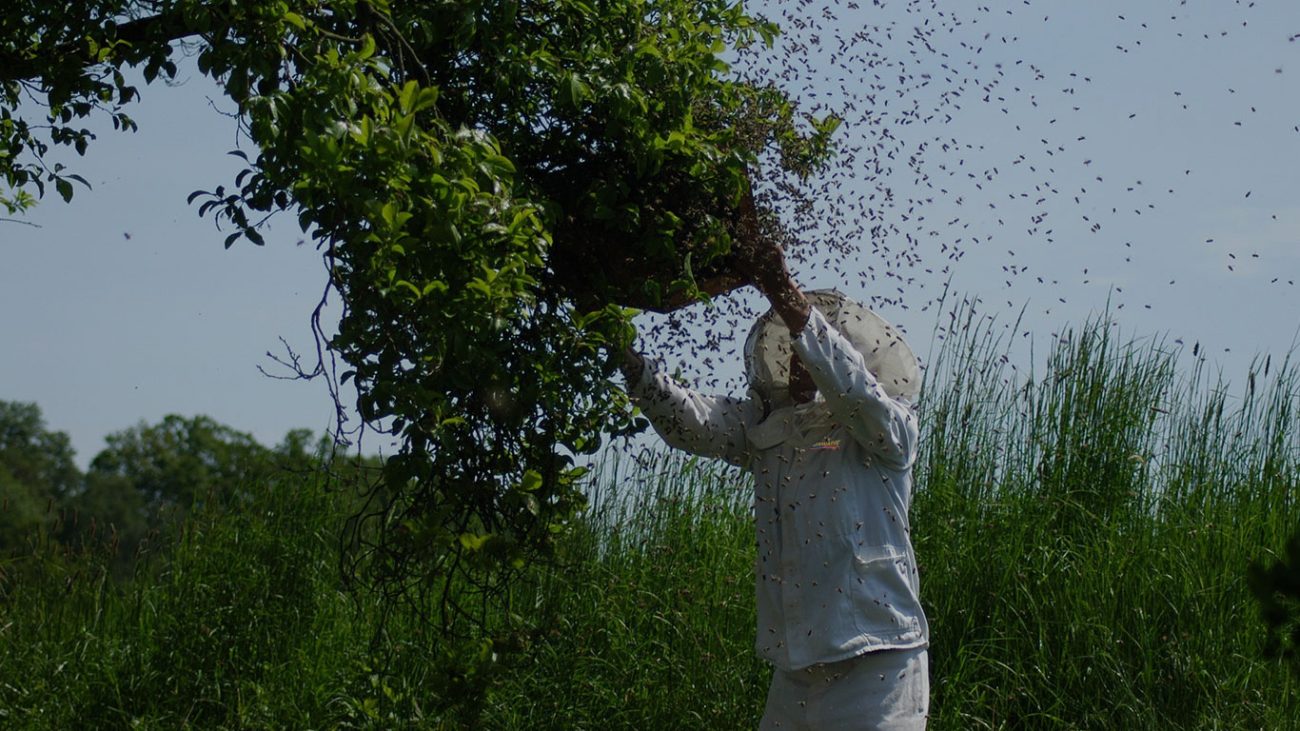
As the fascination with beekeeping continues to grow, so does the need for education in this vital field. Understanding the intricate world of bees not only enriches our lives but also plays a crucial role in preserving our ecosystem. In this blog post, we delve into the significance of beekeeping education and how it empowers individuals, both young and old, to become stewards of our buzzing friends. Plus, discover how our range of beekeeping jackets, available in sizes for adults and children in various colors, ensures that everyone can participate in this educational journey.

Why Beekeeping Education Matters

Beekeeping education serves as the foundation for successful apiarists. By learning about bee behavior, hive management techniques, and the importance of pollinators, individuals gain a deeper appreciation for the role bees play in our environment. Moreover, education equips aspiring beekeepers with the knowledge and skills needed to care for their colonies responsibly, ensuring the well-being of both bees and beekeepers alike.

Empowering the Next Generation

Introducing children to beekeeping at a young age not only fosters a love for nature but also instills valuable lessons about responsibility and environmental stewardship. Our range of beekeeping jackets, available in sizes for both adults and children, ensures that families can embark on this educational journey together. With jackets in various colors, kids can express their individuality while learning about the importance of bees in a safe and engaging way.

The Role of Beekeeping Associations and Workshops

Beekeeping associations and workshops play a crucial role in providing hands-on experience and mentorship to aspiring beekeepers. These platforms offer opportunities for individuals to connect with experienced apiarists, exchange knowledge, and gain practical insights into beekeeping practices. By attending workshops and joining local associations, bee enthusiasts can deepen their understanding of beekeeping and become active members of the beekeeping community.

Beekeeping education is key to fostering a deeper connection with nature and ensuring the survival of our pollinator friends. By empowering individuals with knowledge and practical skills, we pave the way for a sustainable future where bees thrive and ecosystems flourish. Whether you’re a seasoned beekeeper or just starting out, our range of beekeeping jackets, available in sizes for adults and children in various colors, ensures that everyone can participate in this educational journey. Join us in celebrating the magic of bees and the transformative power of beekeeping education.

Explore our collection of beekeeping jackets and gear to start your educational journey today.

Posted on Leave a comment

Embracing Modern Beekeeping: Trends and Essential Gear for Success

Beekeeping banner image

Beekeeping isn’t just a hobby; it’s a vital practice that contributes to our ecosystem’s health and biodiversity. As we witness an increasing interest in sustainable living and gardening, beekeeping has surged in popularity. Today, let’s explore some of the latest trends in beekeeping practices and essential gear that every beekeeper, from novices to seasoned veterans, should consider.

Trend 1: Sustainable Beekeeping Methods In recent years, there has been a growing emphasis on sustainable beekeeping practices that prioritize the well-being of both the bees and the environment. Beekeepers are adopting methods such as natural pest management, organic beekeeping, and habitat restoration to promote bee health and biodiversity.

Trend 2: Urban Beekeeping With the rise of urban gardening and the desire for locally sourced honey, urban beekeeping has become increasingly popular. Beekeepers are setting up hives in urban areas, rooftops, and community gardens, contributing to pollination efforts and fostering a closer connection between city dwellers and nature.

Trend 3: Education and Awareness Beekeeping enthusiasts are recognizing the importance of education and awareness in ensuring the survival of honeybee populations. Workshops, classes, and online resources are empowering beekeepers with the knowledge and skills needed to care for their bees responsibly.

Essential Gear for Modern Beekeepers:

  1. Full Beekeeper Suits with Fence-Style Veils: Protect yourself from stings while working with your bees with our durable beekeeper suits. Featuring fence-style veils for maximum visibility and ventilation, these suits provide complete protection without compromising comfort.
  2. Cowhide Leather with Cotton Gauntlet Beekeeper Gloves: Our premium beekeeper gloves are designed for durability and dexterity, allowing you to handle your hive tools and bee brushes with ease. The cowhide leather construction offers excellent protection against stings, while the cotton gauntlets ensure a comfortable fit.
  3. Hive Tool: A must-have tool for every beekeeper, the hive tool is used for prying apart hive components, scraping off excess propolis, and inspecting frames. Our high-quality hive tools are built to withstand the rigors of beekeeping and make hive management tasks a breeze.
  4. Bee Brushes for Adults and Children: Make gentle work of removing bees from frames and hive components with our soft bristle bee brushes. Available in sizes suitable for both adults and children, these brushes are essential for maintaining a calm and orderly hive environment.

As beekeeping continues to evolve, staying informed about the latest trends and equipping yourself with the right gear is essential for success. Whether you’re a beginner or an experienced beekeeper, embracing modern practices and investing in quality equipment will help you nurture healthy bee colonies and contribute to the conservation of these vital pollinators.